
Premium chocolate’s balancing act

Premium chocolate’s balancing act: craft, credibility, and growth
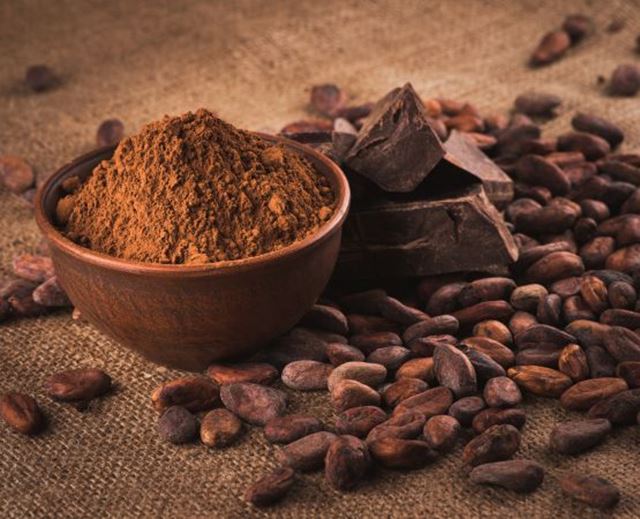
As cocoa prices continue to rise and consumers tighten their budgets, the premium chocolate segment finds itself facing a paradox: it remains one of the fastest-growing opportunities in the confectionery market, yet it is also one of the most challenging to navigate.
For instance, despite economic challenges, high-income households in Europe are increasingly choosing premium or “experience” chocolate, even at higher prices. This resilience in demand serves as a beacon of hope for the premium chocolate segment.
In the 25 years since its inception, Salon du Chocolat has evolved into a global platform where brands can showcase their artisanal craftsmanship. Each year, the event attracts tastemakers from around the world who are eager to discover the most exciting and innovative brands, especially those in the premium chocolate space.
While mainstream companies dominate the mass-market chocolate category a growing number of consumers are seeking products that offer more than just a chocolate rush. They want quality, authenticity, and ethical sourcing, along with a compelling story behind their chocolate.
This demand has fuelled the rise of two key trends. One is “premiumization” - a strategy wherein companies position products as premium to justify higher prices. The other is a renewed emphasis on artisanal craftsmanship, where storytelling around tradition, provenance, and artistry becomes as essential as the product itself.
The challenges of craft in a crowded market
One of the most pressing issues is the tension between consumers’ price sensitivity and their perception of value. Many consumers say they are willing to pay more for chocolate that feels artisanal or ethically produced, but the bar for proving added value is high. In 2024–2025, inflationary pressures and record-high cocoa prices have already tested this willingness to trade up.
Meanwhile, the word “premium” is at risk of losing its meaning - one only needs to look at how the “craft” beer label became overused. Supermarkets and global players have rolled introduced lines marketed as “crafted” or “single-origin,” creating noise that makes it harder for genuinely artisanal makers to stand out.
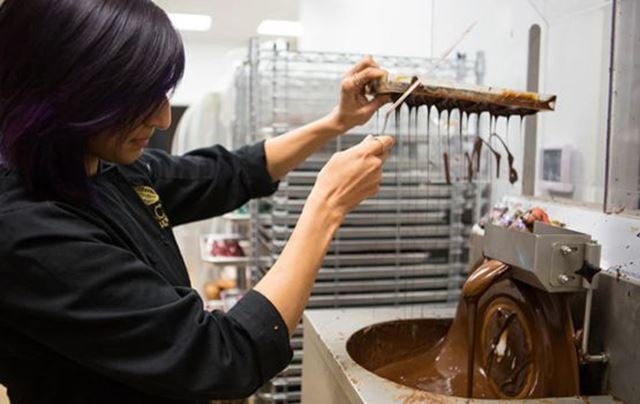
“The current financial climate makes this challenge more relevant than ever for small businesses, and even more so for chocolate makers. For premium and artisan brands feeling the squeeze, the key is not to outspend mainstream players, but to out-share and out-connect them.
“In an environment where large marketing investments are difficult to justify - especially for smaller artisans or craft chocolatiers - authentic communication is far more valuable than paid advertising. Being genuine and consistent goes a long way. The most powerful tool a smaller maker has is the passion that goes into their chocolate; harnessing this passion to educate and entertain customers is how they can share their unique angle and vision,” Marie-Lorraine Michot explains.
Our aim at Salon du Chocolat is to cut through all that noise. This year’s event promises to showcase some of the very best in premium chocolate.
Finally, there is the issue of consumer education. While food-savvy aficionados understand concepts like fermentation or terroir, many people still struggle to see why one chocolate bar should cost three times as much as another.
Brands must educate without overwhelming or alienating their audience - even sophisticated consumers.
Where the Opportunities Lie

Two top tips for brands
To capture these opportunities, premium chocolate makers must align craft with credibility. Which means: Two top priorities stand out:
- Storytelling: Go beyond the “premium” label by telling engaging stories of provenance, people, and process.
- Innovation: Explore cocoa fruit ingredients, bold flavour pairings, and limited-run products to keep offerings fresh and differentiated.
According to Marie-Lorraine Michot, “In a world obsessed with appearances, especially on social media - it’s become very tempting for brands to overuse words like ‘luxury’ and ‘premium.’ This has led some companies to ‘premiumise’ simply as a strategy to raise their prices. You see it when a company rolls out fancy new packaging but doesn’t change the recipe, or when it continues using cheaper couverture and filler ingredients to cut costs while charging more.
“This approach stands in stark contrast to brands that are premium by nature. Most bean-to-bar and artisan chocolatiers, for example, create an inherently premium product by working with exceptional ingredients and maintaining rigorous control over the quality of their finished goods. For these makers, a premium price point isn’t a strategy - it’s the natural result of the quality and craftsmanship that goes into their work,” Marie-Lorraine Michot concludes.
In summary: Premium and artisanal chocolate brands stand at a crossroads. The market is expanding, but so are consumer expectations and regulatory demands. “Most bean-to-bar and artisan chocolatiers, for example, create an inherently premium product by working with incredible ingredients and maintaining excellent control over the quality of their finished goods. For these makers, a premium price point isn’t a strategy; it’s a natural result of the quality and craftsmanship that goes into their work,” Marie-Lorraine Michot concludes.
Those who can strike the right balance may not only survive the pressures of today’s cocoa economy but also redefine the future of chocolate consumption.