
The benefits of cocoa
The health benefits of cocoa: a tropical treasure
Cocoa, derived from the fruit of the cacao tree, is as fascinating as it is delicious. Used by pre-Columbian civilizations for centuries, cocoa is now at the heart of a global industry that connects millions of farmers—mainly in tropical regions—with chocolate lovers worldwide. While cocoa is best known as the foundation of chocolate products, it is also a superfood with scientifically recognized health benefits. To fully appreciate its value, it’s essential to understand its origins, properties, and the various forms in which it’s consumed.

Cocoa: the fruit of an exceptional tropical tree
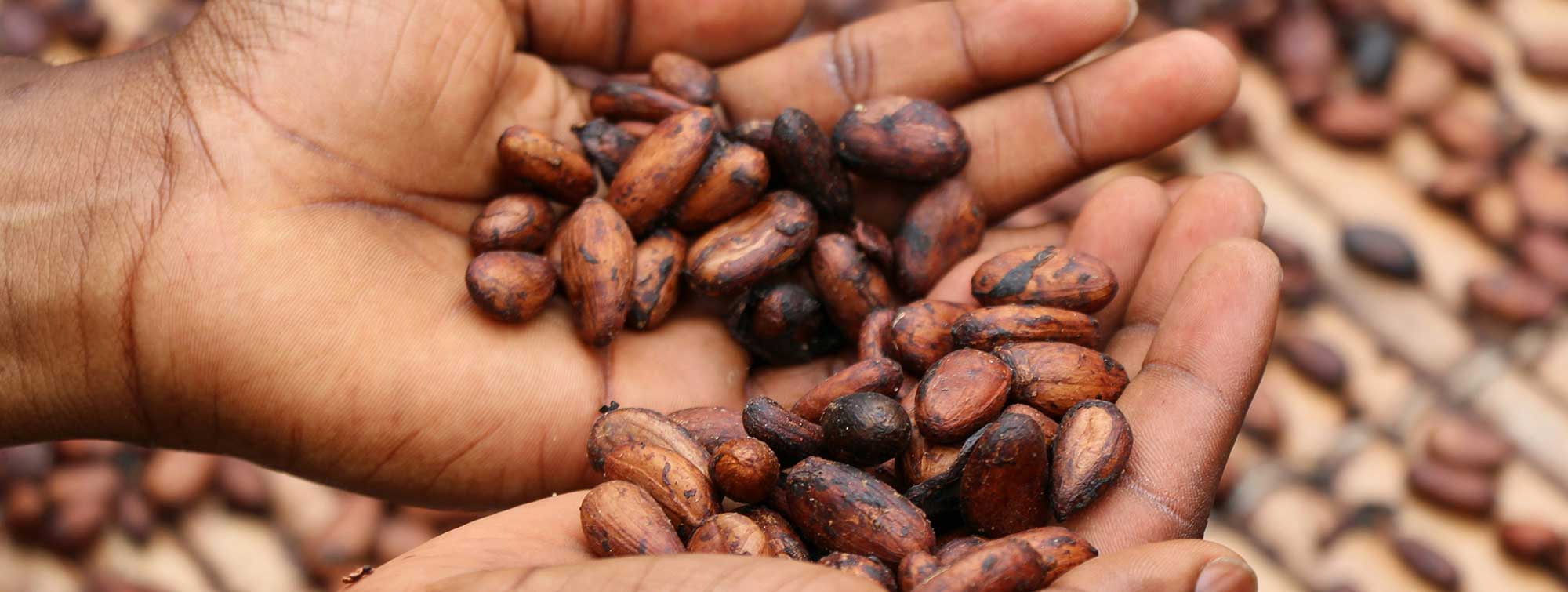
Cocoa comes from cacao beans found inside the pods of the Theobroma cacao tree, which thrives in hot and humid equatorial climates. Major cocoa-producing countries include Ivory Coast, Ghana, Ecuador, and Indonesia. Ivory Coast alone accounts for about 40% of global cocoa production.
There are three main varieties of cacao:
- Forastero – the most common and hardy variety;
- Criollo – rare and prized for its refined flavor;
- Trinitario – a hybrid known for its balanced aromatic profile.
The type of cacao used affects not only flavor but also nutritional value.
Antioxidants: the precious wealth of cocoa beans
Cocoa is naturally rich in flavonoids, powerful antioxidants that protect cells from damage caused by free radicals. Research shows that unsweetened cocoa powder contains more antioxidants than green tea or red wine. These compounds help slow cellular aging, reduce the risk of chronic diseases, and strengthen the immune system.
The polyphenols found in cacao beans also have anti-inflammatory properties, making them especially beneficial during periods of oxidative stress or recovery. To preserve these benefits, opt for minimally processed cocoa, such as raw cacao powder or unrefined cacao paste.

Cocoa enhances mood and well-being
Cocoa isn’t just good for the body—it also supports mental health. It stimulates the release of neurotransmitters like serotonin and dopamine, promoting relaxation, motivation, and a sense of pleasure. It also contains phenylethylamine (PEA), a compound linked to feelings of love and happiness.
Thanks to its content of magnesium, theanine, and theobromine, cocoa may help reduce anxiety, improve focus, and even support better sleep when consumed in moderation.
Cardiovascular Health and Cocoa: A Proven Link
Among cocoa’s most studied benefits is its role in heart health. Its flavonoids help dilate blood vessels, lower blood pressure, and improve circulation. A study in The American Journal of Clinical Nutrition found that moderate consumption of high-cocoa chocolate significantly reduces the risk of heart disease.
Cocoa also positively affects cholesterol levels by reducing LDL (bad cholesterol) and increasing HDL (good cholesterol). These effects, when paired with a healthy lifestyle, provide excellent cardiovascular support—especially for at-risk populations.
Cognitive Support from Cocoa Consumption
Regular intake of cocoa has been shown to support cognitive function, especially due to improved blood flow to the brain. Studies reveal that older adults consuming flavonoid-rich cocoa perform better in tasks involving memory, reasoning, and information processing.
Emerging research suggests that cocoa may help slow age-related cognitive decline and protect against neurodegenerative conditions—offering promising potential for the development of functional chocolate products aimed at brain health.
Raw cacao vs. dark chocolate vs. processed chocolate
Not all chocolate products are created equal. Processing significantly impacts the nutritional quality of cocoa.
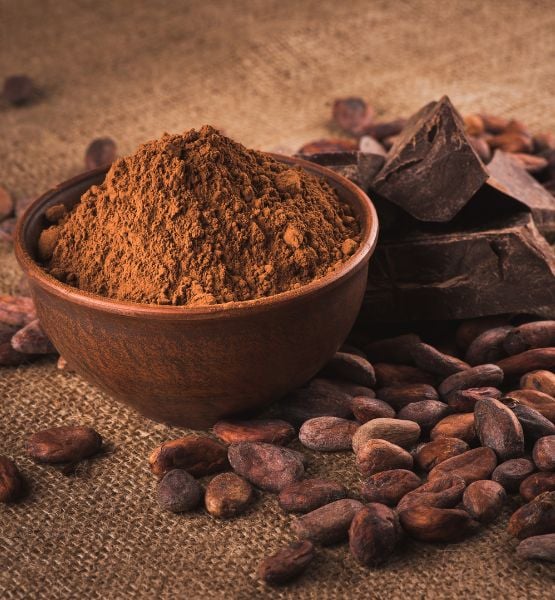
- Raw cacao: Made from unroasted beans, it retains the highest levels of antioxidants and minerals. Available as powder, paste, or unrefined cacao butter, it is the most nutrient-dense form of cocoa.
- Dark chocolate: With at least 70% cocoa content, it offers a high flavonoid concentration—especially if low in sugar and additives. It’s an ideal compromise between flavor and health benefits.
- Industrial chocolate: Typically contains less than 30% cocoa and is loaded with sugar, milk, and additives. Most nutritional benefits are lost, and cocoa butter is often replaced with lower-quality vegetable fats.
Tip: Choose chocolate with a short ingredient list and high cocoa content for optimal health benefits.
Sustainable cocoa: a Key Challenge for the Industry
Ethical consumption is vital in the cocoa industry, which faces serious challenges such as deforestation, child labor, price volatility, and smallholder poverty. Countries like Ivory Coast and Ghana, along with NGOs and businesses, are working to build a sustainable cocoa supply chain that respects both people and the planet.
Certifications like Fairtrade or Rainforest Alliance ensure ethical farming practices, traceability, and fairer compensation for growers. As consumers, choosing fair trade chocolate directly supports a more equitable cocoa industry.
Consume cocoa mindfully for maximum benefit
Despite its many advantages, cocoa should be consumed in moderation. Health experts recommend 20–30 grams per day of dark chocolate, or about two squares. This provides flavonoids and essential minerals without excessive calories.
Since theobromine is a natural stimulant, it’s best to avoid consuming cocoa products late in the evening—especially for sensitive individuals. Morning or early afternoon is ideal.

Conclusion: a tropical treasure to enjoy consciously
Cocoa is more than a sweet indulgence—it’s a gift from tropical regions, a nutritional powerhouse that deserves to be valued, respected, and enjoyed mindfully. Rich in antioxidants, good for the heart, brain, and mood, cocoa can be a true daily ally—if we choose the right chocolate products and support a sustainable cocoa economy.
Choosing quality cocoa means bridging the gap between our enjoyment and the real lives of producers. It’s a way to celebrate the rich legacy of the cacao fruit, its diverse varieties, and its remarkable health potential.