
A year of cocoa production in the Dominican Republic with Bayacao
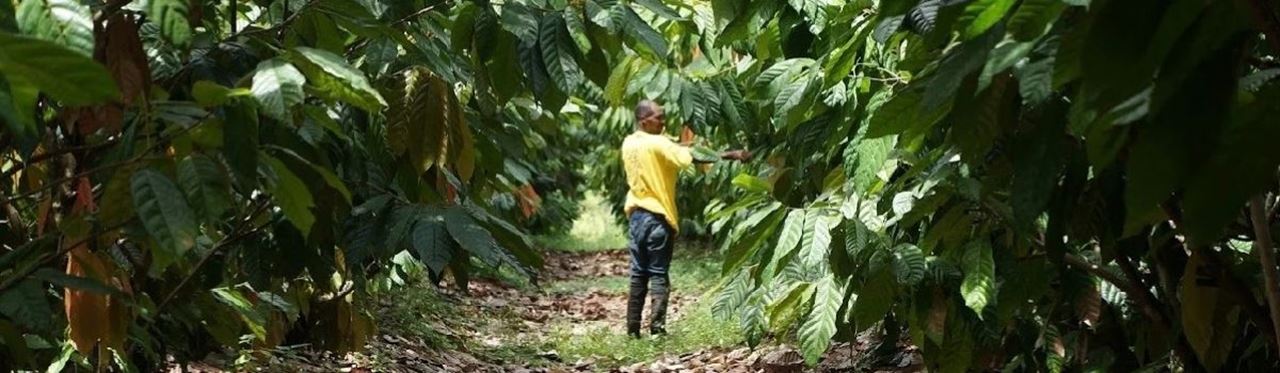
January to March: caring for the trees
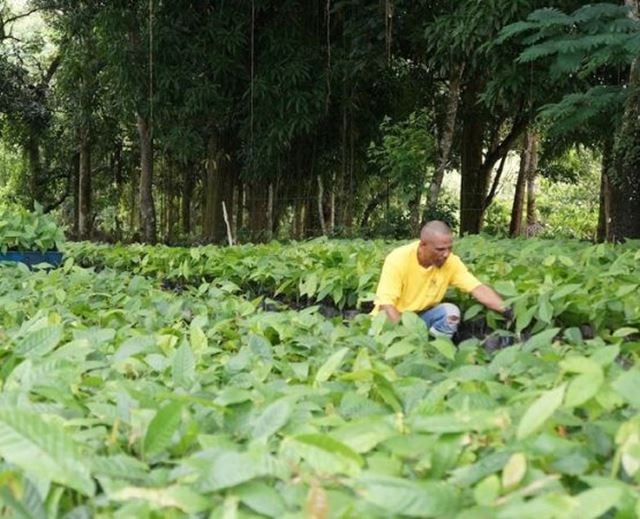
The year begins with the dry season. There is little rain and the cocoa trees bear almost no fruit. For the teams, it is a time for tending the plantation rather than harvesting.
It all starts in the nursery. The young seedlings grow from seeds collected on site, then they are grafted and planted out. Every year, the teams go back along the rows to replace the trees that did not take, those that died or whose graft failed. Little by little, the plantation becomes denser. At the foot of the trees, the grass is cut without herbicides, in keeping with the rules of organic farming.
Bayacao oversees every stage. “We go from the seed in the nursery all the way to the chocolate bar,” sums up Luc Bonneau, CEO of Bayacao.
The demanding cocoa tree
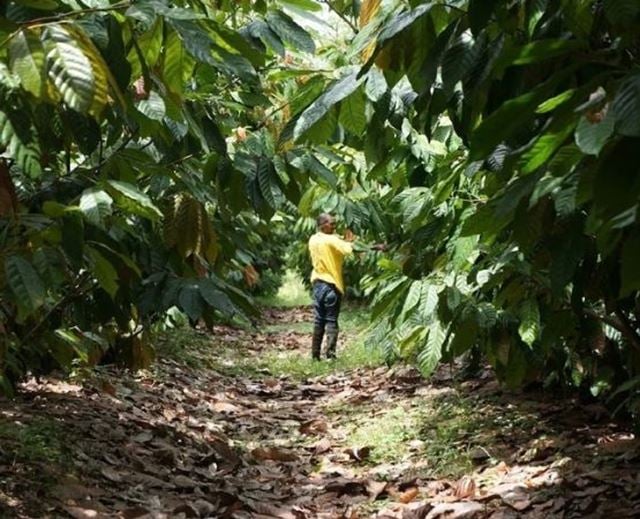
At Bayacao, the plantation is organised in layers. Grass grows at ground level, then come the cocoa trees. Higher up, gliricidia, trees from the legume family, capture nitrogen from the air and enrich the soil without competing with the cocoa. Finally, every six rows, a line of tall timber trees shelters the plantation from the wind. Their deep roots also draw up minerals from far below the surface.
The plantation is still young: its oldest cocoa trees are less than ten years old. Once they are sturdier, some of the tall trees will be felled to let in more light, but three or four tree species will continue to grow side by side. On the ground, their leaves will form a thick layer of leaf litter.
April to August: harvest time
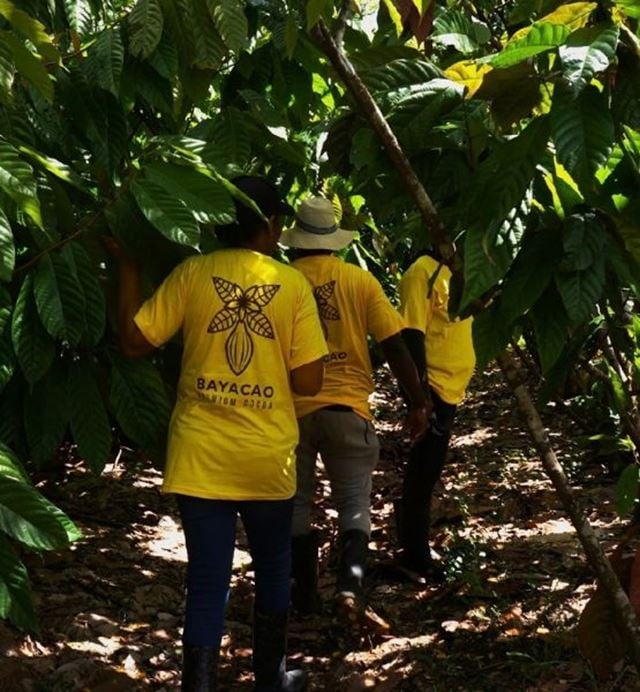
Just after Easter, the fruit ripens and it is time to return to the plots. In the Dominican Republic, this is a deeply rooted tradition: this is when families start gathering their cocoa.
For the next eight weeks, Bayacao also buys fresh cocoa from neighbouring smallholders. Once this first sale is made, many keep the rest of their harvest to dry it, as dry cocoa sells for more.
The Dominican Republic is one of the leading countries for organic cocoa, and half of Bayacao’s plantation is farmed organically. This demands constant rigour: the origin of every batch must be known, and different cocoas must never be mixed. The company also supports two associations of certified smallholders, who farm without fertilisers or chemicals. As these methods often produce lower yields, Bayacao passes on to them the premiums it receives.
September to Christmas: the wait, then the second harvest
At the end of August, the season draws to a close. The teams take the opportunity to clean everything, service the machines and take stock of the season.
It is also a time to gauge how heavily the climate weighs on the craft. When the first trees were planted, a large share of the young cocoa trees did not survive, and irrigation had to be installed. “Even in a humid tropical country, the dry season has become more pronounced.” Weather events are more severe, and harvests are becoming harder to predict. Depending on the year, the country produces between 60,000 and 80,000 tonnes of dry cocoa: enough for everyone in a good year, far less in a leaner one.
After these few quiet weeks, the plantation comes back to life as autumn arrives. “The fruit comes back little by little, from the end of October until Christmas.” This is the second harvest of the year. It continues until the dry season returns, in the second half of December.
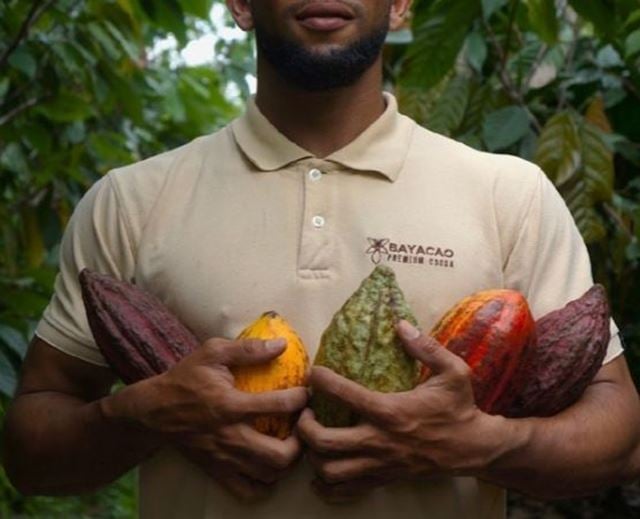
And the cycle begins again
Behind this craft are women and men. On land where no one had been growing cocoa, Bayacao has created around 160 direct jobs. In the fields, in the nursery or at the factory, the teams have learned a way of growing cocoa in harmony with the forest: agroforestry.
The plantation has not yet reached maturity. As the trees grow, Bayacao intends to get the very best out of its beans: “Dominican cocoa has a flavour you won’t find anywhere else.”
A story of terroir, passion and patience, which Bayacao came to share at the Salon du Chocolat et de la Pâtisserie.