
Cocoa bean: at the heart of chocolate culture
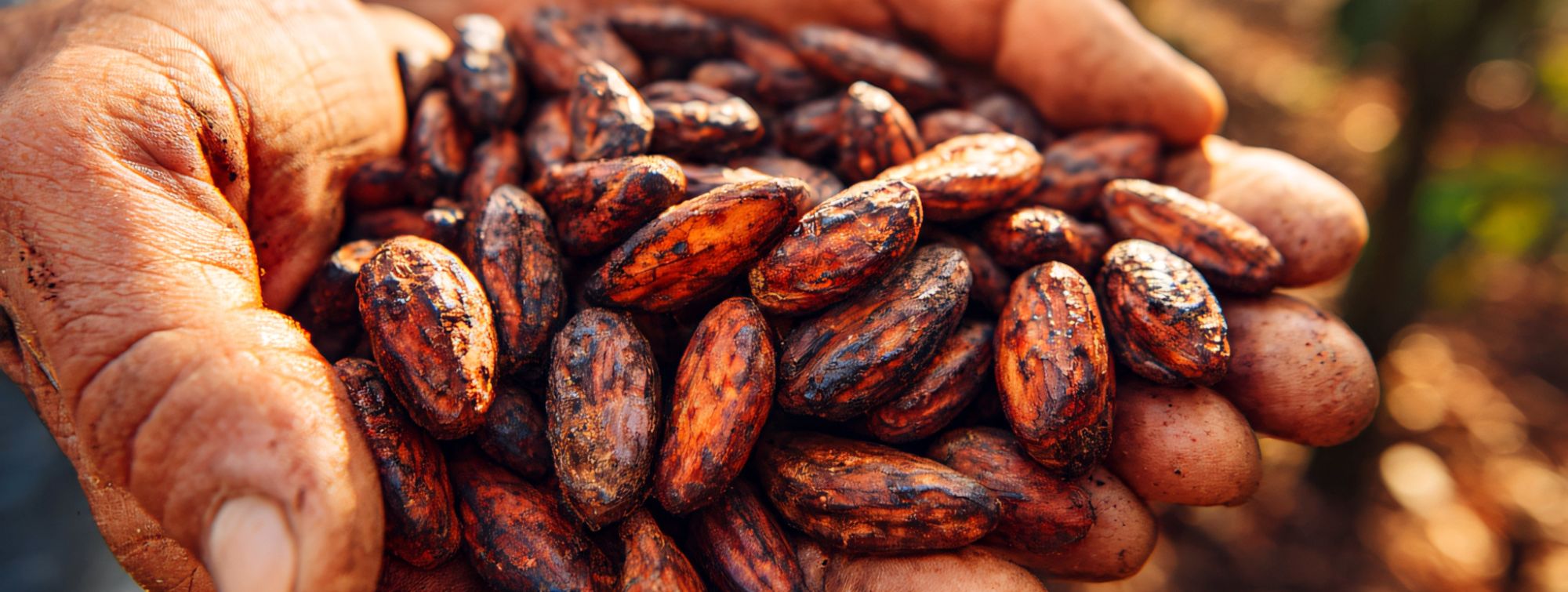
The cocoa bean, a story that begins in the tropics
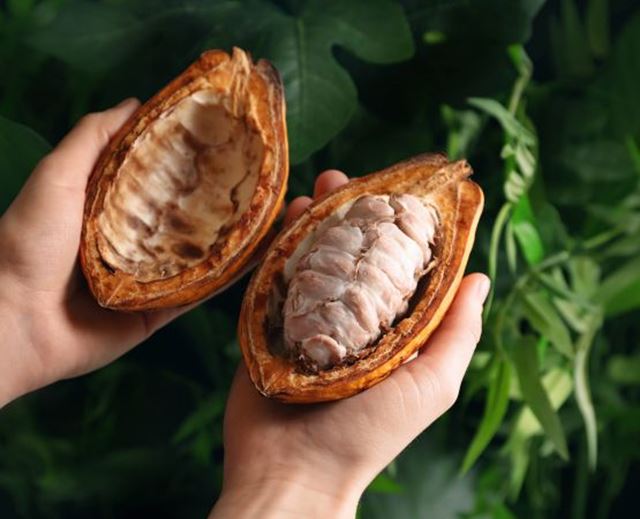
Cocoa beans don't grow by chance. They are the fruit of a climate, a soil, and a tree: the cacao tree. In tropical regions, cacao fruit grows directly on the trunk, protected by a thick-shelled pod.
Inside, the beans are bathed in a white, slightly sweet pulp.At this stage, there is no hint of chocolate. The taste is sharp, vegetal, almost surprising. Yet everything is already there. The bean contains the future aromas, still dormant, just waiting to be revealed.
From cocoa fruit to bean: time as an essential ingredient
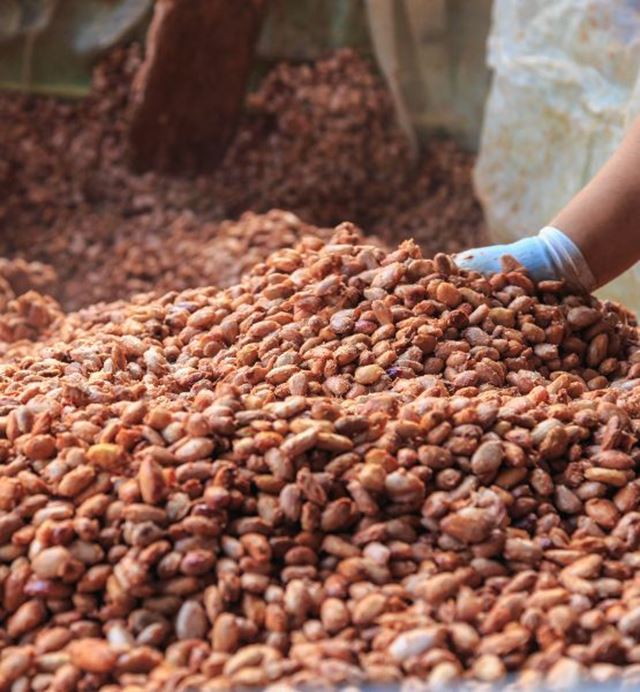
Once the pod has been opened, one of the most crucial stages begins: fermentation. The beans are gathered together, covered, and left to rest. Over several days, nature does its work.
Fermentation profoundly transforms the bean. It removes the raw bitterness, develops the aromatic precursors, and prepares the cocoa for further processing. This is a key moment, often invisible to the consumer, but fundamental to the final taste of the chocolate.
After fermentation comes drying, usually in the sun. Slowly, the beans stabilize, darken, and gain complexity. The cocoa then begins to assert its identity.
Cocoa processing: revealing, without distorting
Cocoa processing marks the bean's entry into the world of chocolate. The first step is roasting. When heated with precision, cocoa beans release their aromas and lose their excessive acidity.
Each origin reacts differently to heat. Some beans develop fruity notes, others spicy, woody or very cocoa-like accents. Roasting is not simply cooking: it is an act of creation.
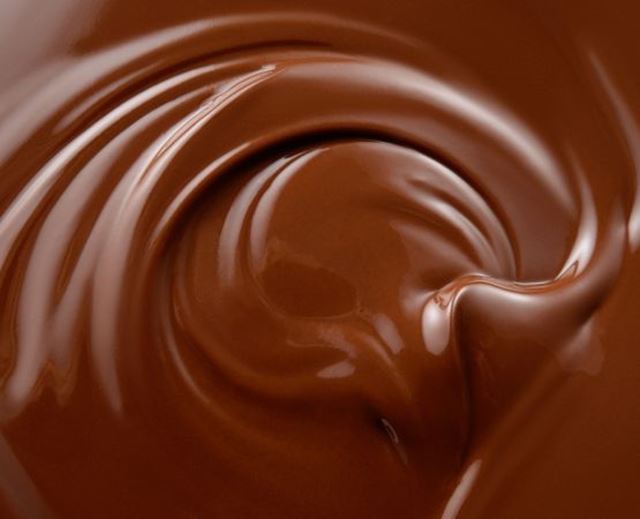
The beans are then crushed, their shells removed, and ground. The material becomes fluid, almost shiny. This is the cocoa mass, the basis of all chocolate production.
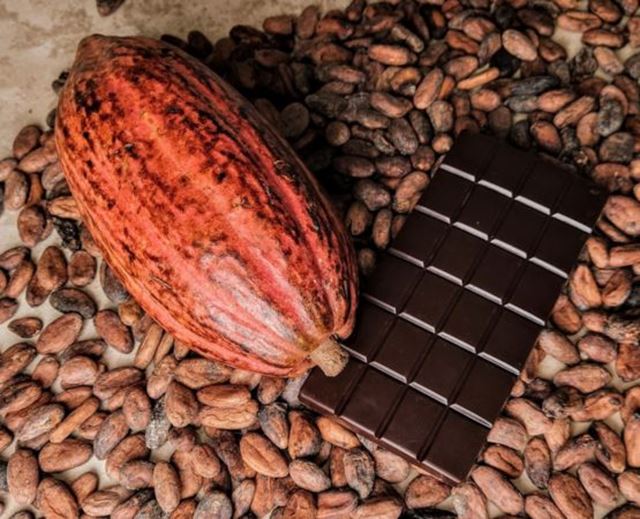
From cocoa bean to chocolate bar: a delicate balance
Transforming cocoa beans into chocolate is all about finding the right balance. Cocoa butter, which occurs naturally in the bean, plays a key role: it gives the chocolate its melt-in-the-mouth quality, finesse, and texture.
Next comes conching, a long and demanding process. The chocolate is stirred, aerated, and refined. The flavors blend together and any rough edges are smoothed out. Little by little, the bean disappears, giving way to a harmonious chocolate that is ready to be molded, crafted, or enjoyed.
Raw cocoa, cocoa beans, and the bean-to-bar approach
In recent years, cocoa beans have emerged from the shadows. Raw cocoa, with little or no roasting, appeals for its raw character and more vegetal taste. It offers a different, more direct, and sometimes surprising interpretation of cocoa.
In the same vein, the bean-to-bar movement puts the bean back at the center. The chocolatier controls every step, from the selection of the beans to the final bar. It's an artisanal approach that highlights terroirs, seasonality, and the diversity of aromatic profiles.
Cocoa aromas, a signature taste
Cocoa beans never have a single flavor. Depending on their origin, fermentation, and processing, they can express an astonishing range of aromas: red fruits, citrus, flowers, spices, wood, roasted notes, and more.
Tasting chocolate then becomes an exercise in curiosity. As with wine or coffee, we learn to recognize the nuances and identify what makes a bean unique.
The benefits of cocoa and the pleasure of chocolate
While chocolate is primarily a pleasure, cocoa is also recognized for its nutritional qualities. The benefits of cocoa are linked to its natural richness in antioxidants and flavonoids. The benefits of chocolate, especially when it is rich in cocoa, lie as much in its nutritional value as in the pleasure it provides.
To explore this topic in more detail, check out our article on the benefits of cocoa and its regions of origin:
Cocoa beans and cocoa powder: two interpretations of cocoa
Cocoa beans are the raw, expressive raw material. Cocoa powder, which undergoes further processing, is designed for culinary use. It is practical and accessible, but less representative of the original complexity of cocoa.
To fully understand chocolate, we must always return to the bean.
The cacao bean is much more than an ingredient. It is an origin, a culture, a meeting point between nature and human expertise. Behind every chocolate lies a story of fruit, transformation, and taste. A story that the Salon du Chocolat celebrates, year after year, by placing the bean at the heart of chocolate culture.